We independently review and test products. If you buy though our links, we may earn a commission at no additional cost to you.
Don’t Buy Junk! Learn How to Choose Olive Oil Sprayer That Lasts
By David King
So, are you thinking about getting an olive oil sprayer, huh? Smart move. I finally caved and got one years ago after the umpteenth time of pouring way too much oil into the pan, ending up with soggy veggies instead of a nice, crispy roast. After testing more than a dozen models over the years—from the cheap impulse buys to the investment pieces—I’ve learned exactly what makes a sprayer worth your money and which ones will just end up in the drawer.
Sound familiar?
Let’s first delve into details about how to choose olive oil sprayers for healthy cooking practices.
Understanding How to Choose Olive Oil Sprayers
Not all sprayers are created equal. I learned that the hard way after buying a dud that clogged after two uses. Super frustrating! I don’t want you to have that experience, therefore, I have done the homework for you. I have elaborated everything from the mechanics of the pump to the quality of the materials, so that you can find the perfect and reliable one for your kitchen. Let’s simplify this together. Think of this section as a quick kitchen comparison that highlights the features of a good sprayer and what to look for its day-to-day use.
Types of Olive Oil Sprayers?
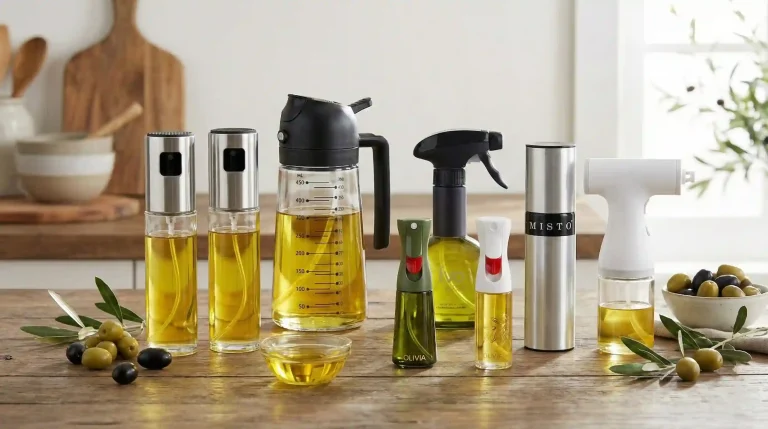
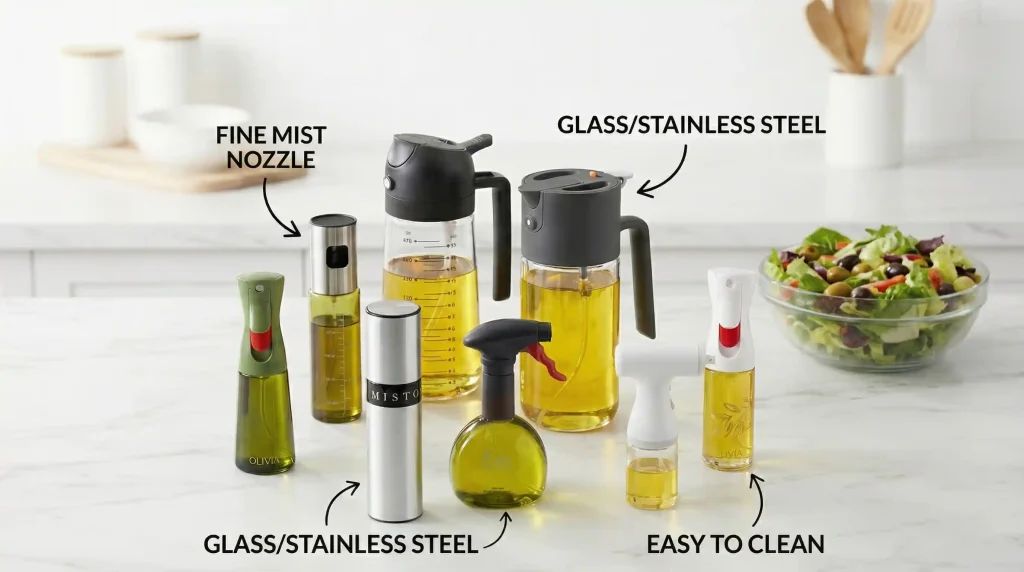
At its heart, an olive oil sprayer is just a bottle with a special spray top. But the magic is in how that top works. You’ve got a few main categories (aka the types of sprayers you’ll encounter):
This is the big choice you’ll probably make. Major types are mentioned below:
Refillable Olive Oil Sprayer (My Personal Favorite)
This is your classic bottle you fill yourself with whatever gorgeous extra virgin olive oil you love. You’re in complete control. It can be further divided into two types as mentioned below:
Manual: The workhorse. Cheap, reliable, and you never need batteries. The downside? You have to remember to pump it before use. Examples are TrendPlain or Yarramate Oil Sprayers.
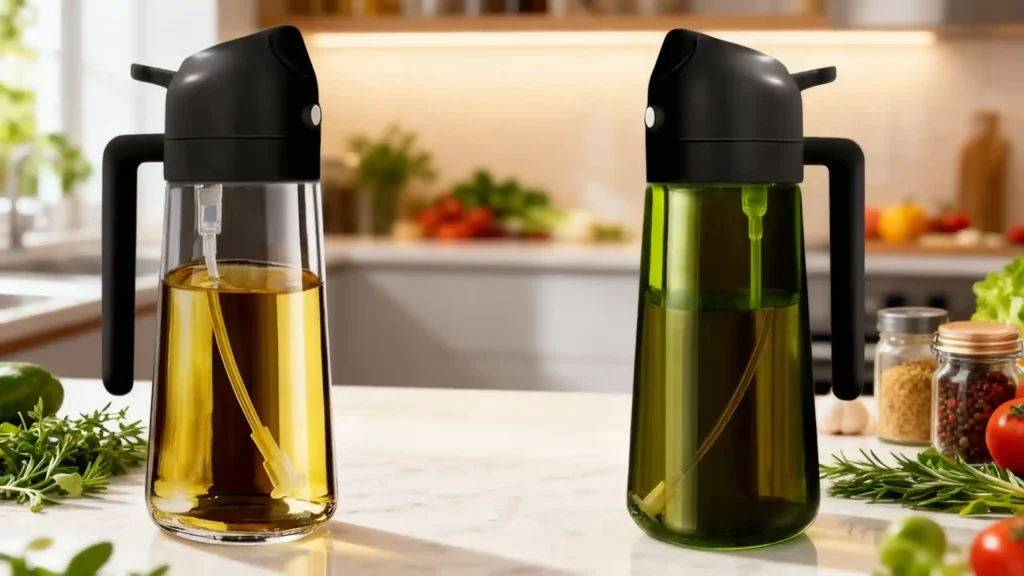
Electric: The luxury model. Effortless spraying. Perfect if you have arthritis or just love a good gadget. Just watch that battery life.
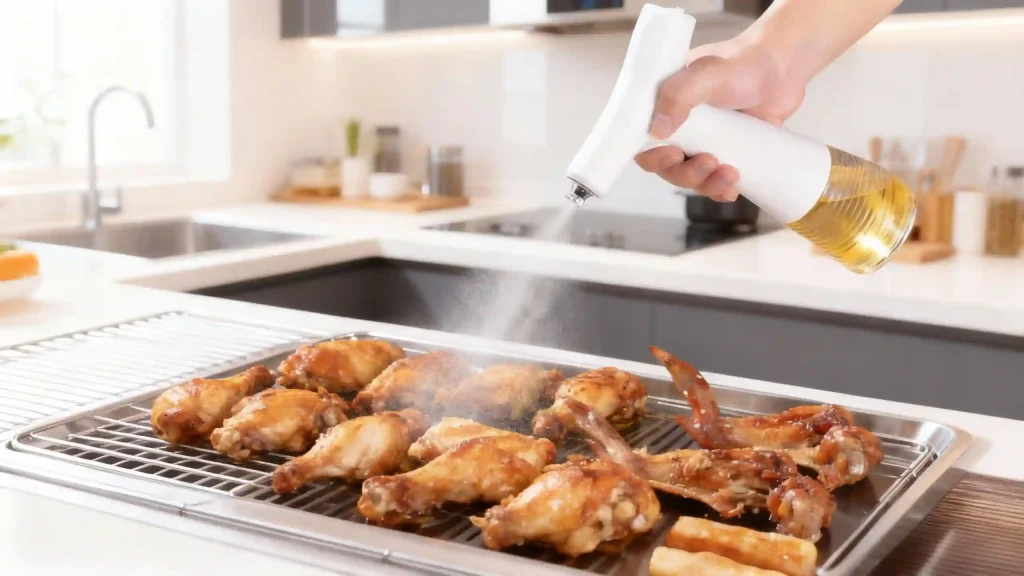
Aerosol Sprayers
These are the “grab and go” option. We can divide them into two further types:
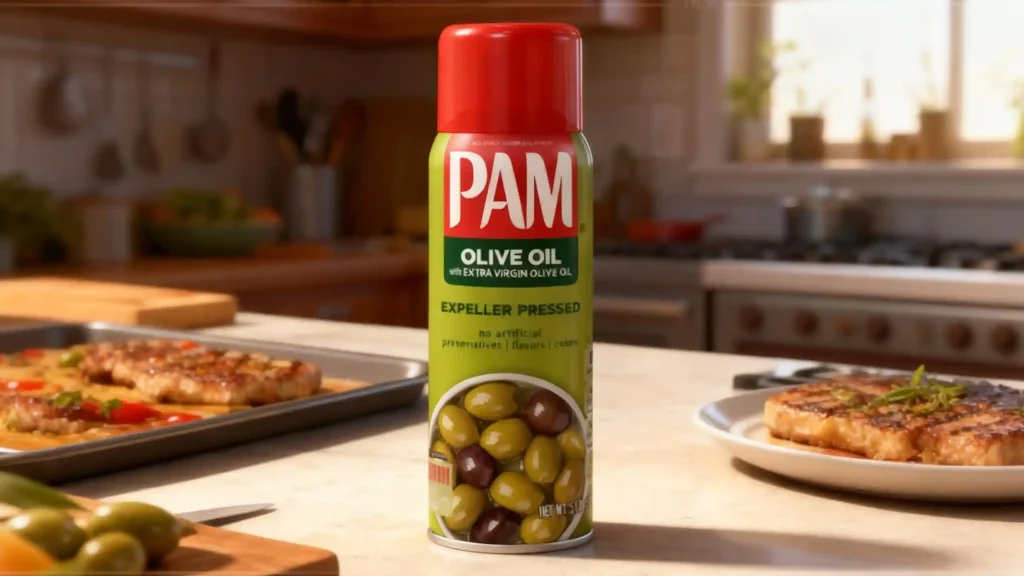
Pre-filled: Incredibly convenient, but you’re stuck with whatever blend of oil they put in there (which often includes additives like soy lecithin or propellants to keep it from clogging). You also can’t use your own fancy oil.
DIY Canisters: A cool middle ground. You add your own oil to a special canister and then screw on a top with a propellant. You get the convenience of an aerosol with the oil of your choice, but it’s an extra step.
Common Misconceptions
Let’s Bust a Big Myth Right Now!
You know sometimes you may hear people saying, “Wait, doesn’t spraying it just fill it with air and mess up the taste?” or “Aren’t you basically just watering it down?”
Oh, I used to wonder that too! But it’s actually a total myth.
Here’s the thing: a decent sprayer turns the oil into this incredibly fine mist. You are not adding anything to it. No air or water. You are just taking the exact same oil and breaking it up into tiny droplets so that it may spreads evenly. All that amazing flavor is still completely there!
The only real catch is you’ve gotta remember to rinse the sprayer out once in a while. If old oil sits in there and turns rancid, it’ll absolutely gunge up the mechanism and make everything taste funky. But if you keep it clean?
You’re just getting the pure and delicious taste of your oil, with way more control over how much you use. Keep reading for simple maintenance tips and easy clean ideas to keep your mister working like new.
Oh, are you still waiting to explore how to choose an olive oil sprayer? Now we begin that core part of our today’s discussion.
Key Factors to Consider
This is the meat and potatoes of your decision. Get this right, and you’ll have a kitchen sidekick for years.
What’s It Made Of? (This is a Biggie)
This isn’t just about looks; it’s about what’s leaching into your expensive EVOO.
Plastic: We all have that drawer of cheap, plastic kitchen gadgets. Sprayers are no different. They’re super light and won’t break the bank. But here’s the catch: olive oil is acidic and can sometimes absorb chemicals from plastic. My rule of thumb? If it is plastic, it must be BPA free. Seriously, don’t even bother if it is not. It is just not worth the worry.
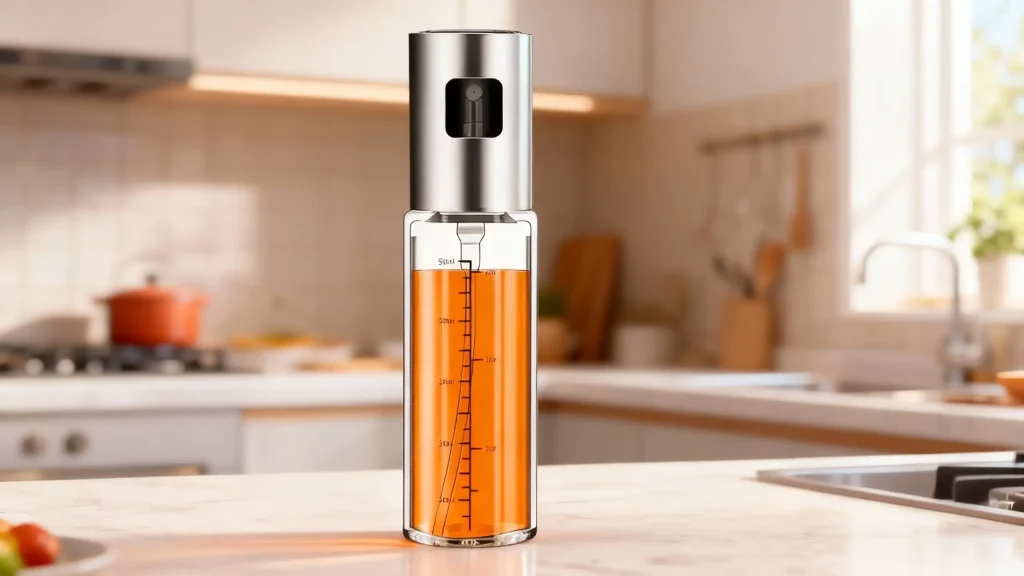
Glass: Now we’re talking. Glass is my personal favorite for everyday use. It is completely non-reactive, so your oil tastes exactly like it should. It looks gorgeous sitting on your countertop, too. The downside? Well, it’s glass. If you’re a klutz like me in the morning before coffee, you might be living on the edge. It’s also a bit heavier. Examples include Flairosol and TrendPlain Oil sprayers.
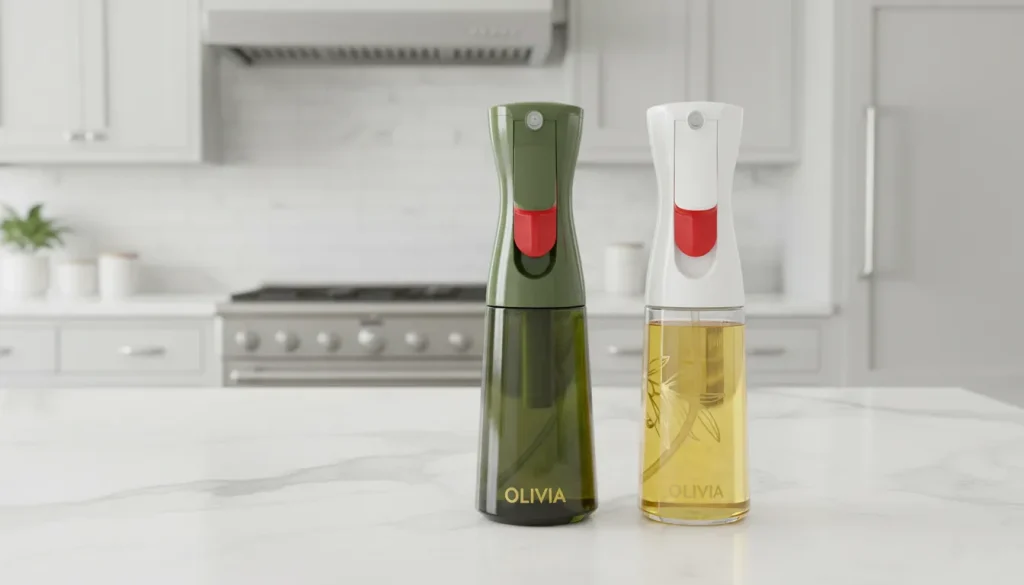
Stainless Steel: The absolute tank of the group. This is what you want if you’re rough on your gear or if you want something that’ll last forever. It’s durable, sleek, and almost always dishwasher-safe. The trade-off? You’ll pay a bit more for that indestructible quality.
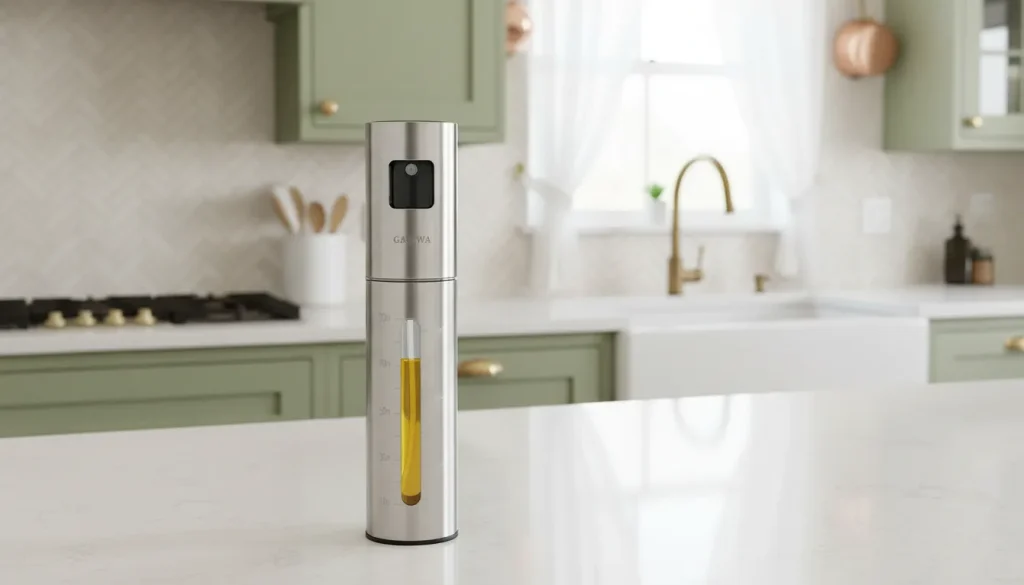
Safety Tip: However you go, just make sure the material is meant for food and can handle acidic stuff like olive oil and vinegar without degrading. For a fast glass vs plastic snapshot in your head (a mini kitchen comparison): glass is neutral and pretty, plastic is lightweight and cheap while stainless is durable and premium.
Transparent or Dark Glass

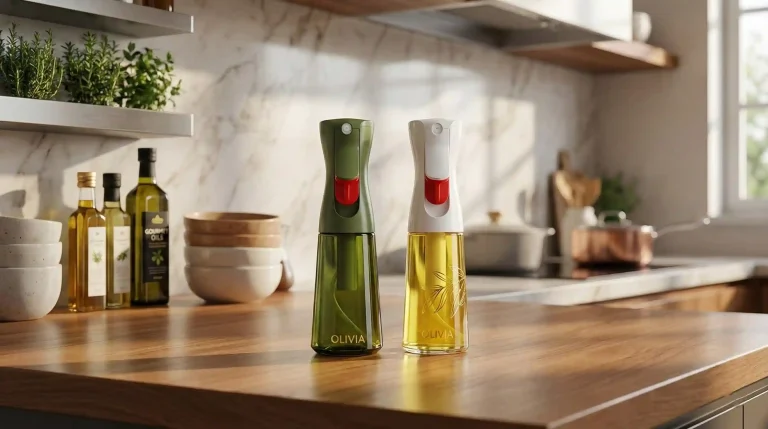
Let’s be honest, your fancy extra virgin olive oil is a bit of a diva—it hates bright lights. Think of dark glass (like green) as its private dressing room. It shields the oil from harsh sunlight, which is the number one enemy of those delicate, fragrant compounds that make it so healthy and delicious. Dark green glass varients are available with Flairosol Olivia, TrendPlain, Yarramate oil sprayers. A clear glass sprayer is like a sunny window, it lets you admire the beautiful gold hue and easily check the level which is super convenient if you are using other oils. Clear glass varients are also available with above mentioned brands. See comparison table below for conveniently choosing the one for you:
| Oil Type | Recommended Bottle | Reasoning & Examples |
|---|---|---|
| Olive Oil | Dark Glass (Amber/Dark Green) | Contains chlorophyll. Light triggers oxidation, degrading flavor and nutrients (vitamin E and polyphenols) . |
| Other oils (Vegetable, Avocado, Grapeseed, Canola Oils etc.) | Transparent Glass | Less light-sensitive, stable in transparent bottles if stored properly. |
How Does It Actually Spray?
This is where the magic happens—or where it gets frustrating.
Manual Pump Sprayers
These are the classic “pump the top a few times” kind. I like them because you have total control over the pressure and how much mist you get. The downside? You have to pump them. It’s not a huge deal, but if you’re mid-recipe with messy hands, it can be a hassle.
Aerosol Sprayers
These are the super convenient, press-and-go cans you buy pre-filled at the store. They’re incredibly easy, but they often use chemical propellants, and all those one-use cans are terrible for the environment. They also usually have additives to prevent clogging, which means you’re not spraying pure oil.
Electric Sprayers
Fancy! These are battery or USB-powered and give you a super consistent mist with zero effort. Great for consistency but they’re more expensive, have parts that can break and need to be charged. It’s a higher-maintenance relationship.
Nozzle Note: Look for a nozzle that lets you switch between a fine mist (for oil) and a stream (for vinegar). And trust me, all nozzles can clog eventually. Some have little pins or are “self-cleaning,” which is a huge bonus. These are classic features of a good and easy to clean design, and exactly what look for in a daily use sprayer.
How Big Should It Be?
Size matters, but it depends on your life.
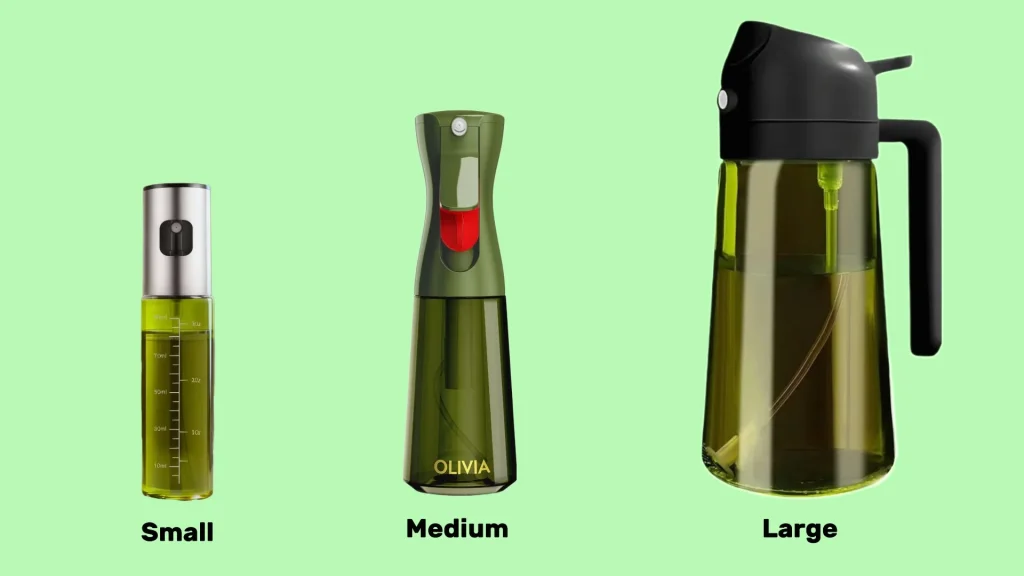
Small (50–100ml): Perfect for your work lunch kit or if you just need a light spritz now and then. You’ll be refilling it pretty often if you cook a lot.
Medium (100–200ml): This is the Goldilocks zone for most people. It holds enough oil that you are not refilling it constantly, but it is still small enough to not be a bulky eyesore on your counter.
Large (200ml+): You are cooking for a family, meal-prepping like a champion or just really hate refilling things. This is your workhorse.
Think about where you will store it. Will it fit in your cabinet door or does it need to live on the counter? Pick a size that’s right for kitchen flow and how you use oil daily.
Can You Actually Clean the Thing?
This might be the most important question. If you can’t clean it easily, it will get gross and clogged and you’ll end up throwing it away.
- Disassembly: The best sprayers unscrew completely into multiple parts. If you can not take it apart, you can not properly clean it. End of story.
- Dishwasher-Safe: A total game-changer. Being able to just toss the parts in the top rack will save you so much time and hassle. But to be fair, most of the olive oil sprayers are not dishwasher-safe.
- Clog Prevention: Some have anti-drip features or clever designs that keep oil from drying in the nozzle. This is a feature worth looking for!
And here is my best hack? After using it, give it a quick rinse with warm water or even a little vinegar to break up any leftover oil. It takes ten seconds and adds years to its life. Simple maintenance tips like this keep performance consistent without fuss.
Those Nice-to-Have Extras
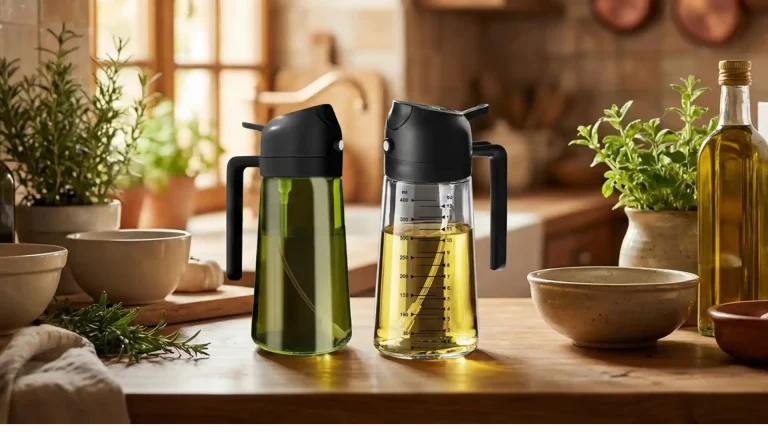
Dual Function olive oil sprayer and Dispenser: If you want to choose a super handy product, it is for you. It can be used for storing your EVOO as well as pouring the oil as needed. It also has spray technology so that you can comfortably spray the oil as needed for your recipes.
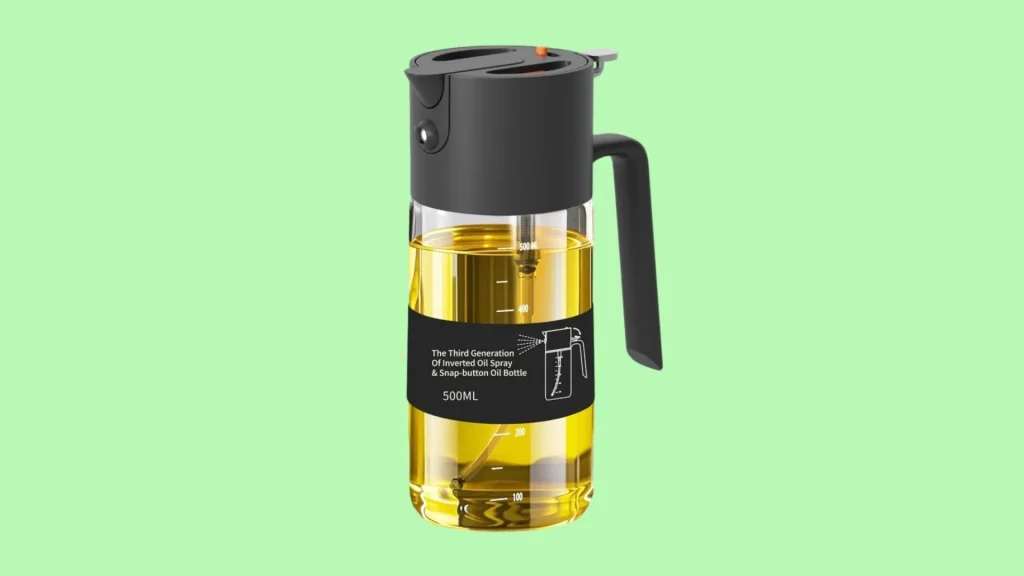
Leak-Proof: If you ever want to travel with it or even just toss it in a picnic basket, this is non-negotiable.
Adjustable Spray: Being able to go from a fine mist to a direct stream is way more useful than you think.
Comfortable Grip: You will be holding it a lot. Make sure it feels good in your hand.
Transparency: A glass bottle or a window lets you see how much oil you have left so you are not caught off guard in the mid of recipe.
These extras make choosing spray bottle options easier when you’re doing a quick kitchen comparison.
Buying Guide & Budget Tips
Balancing affordability and durability is key for selction of best olive oil sprayer according to your needs. Consider this your practical buying guide for kitchen use.
Price Ranges
You can find a great sprayer anywhere from $10 to $50+. Don’t assume expensive is always better. Think about how often you’ll use it.
The Budget Champ
A simple, BPA-free plastic manual sprayer. It gets the job done for under $15.
- Pro: Cheap.
- Con: Might not last forever, can stain and plastic may leach into your oil.
The Premium Pick
A sleek stainless steel or glass electric sprayer. It’s a joy to use and looks fantastic.
- Pro: Effortless, consistent and beautiful.
- Con: Pricey ($30-$50) and needs charging.
The Eco-Warrior (My Personal Favourite)
A sturdy and refillable glass manual sprayer.
- Pro: Zero waste, durable and pure oil.
- Con: You still have to pump it.
For many, a refillable, non aerosol unit is both eco-friendly and cost-effective.
Where to Buy
You can find them everywhere from Amazon (great for reviews), Temu, Wallmart, HomeGoods (for a fun treasure hunt) to specialty kitchen stores.
My advice?
Check the warranty.
Some brands are great about sending replacement parts if nozzle of your olive oil sprayer clogs, so keep it in mind. When in doubt, revisit this How to Choose Olive Oil Sprayer checklist and focus on the features of a good oil mister that matter to you.
So, after delving into how to choose an olive oil sprayer, let’s now understand why it matters for your health.
Why Olive Oil Sprayer Matters for Healthy Recipes
Health & Portion Control
It’s one of the little kitchen tools that seem simple but honestly makes a bigger difference than you’d use it. We all know we should watch our oil intake, but who has time to measure out a teaspoon every single time? That’s where a good sprayer comes in—it’s basically your personal portion control assistant. Even nutritionists recommend that this kind of mindful tool is a cornerstone of sustainable healthy recipes and eating habits, not just a fad. If you’re choosing oil spray bottle options for kitchen tasks, a well built olive oil mister is often the best for cooking and everyday use.
Versatility
And the uses! Oh man, it’s not just for salads. I’m talking about lightly coating your air fryer basket so nothing sticks, getting a perfect, even mist on your homemade pizza crust before it goes in the oven, or making sure your grilled chicken doesn’t dry out without drowning it in grease. Through plenty of trial and error (and a few messy kitchen experiments), I’ve found it’s a total game-changer for healthier baking and cooking everything from eggs to roasted nuts. Definitely best for cooking in many ways. Definitely best for cooking in many ways.
Eco-Friendly Alternative
Let’s be real, it feels good to ditch those expensive, propellant-filled aerosol cans. They’re bad for the environment and often have weird additives you don’t need. Based on my research into materials and kitchen sustainability, a reusable sprayer you fill with your favorite extra virgin olive oil is a win-win. It’s a tiny, trustworthy switch that feels pretty awesome. A refillable and non aerosol mister is the eco-friendly move especially for kitchen routines where you want pure oil and less waste.
Ready to see details of our top recommendations? Read our review of the Best Oil Sprayers.
The Bottom Line
Picking the best olive oil sprayer depends upon you. Prioritize safe materials (e.g. glass), a spray mechanism you will actually use (go for manual if you love pumping) and ease of cleaning.
If you want my final opinion:
For most people, a medium sized glass olive oil sprayer with a manual pump and dishwasher safe parts is the perfect balance of price, performance and safety. That combo stays easy clean, works great for kitchen prep, and nails the mister vs aerosol decision for most homes.
Now I want to hear from you! What is your best kitchen hack with an olive oil sprayer? Any brands you absolutely love? Share your tips below in comments.
Frequently Asked Questions

Senior Reviewer & Editor
You could say David King knows his way around a kitchen almost as well as he knows his way around a story. As a senior editor and lead culinary reviewer at Top Gears Hub, he is the guy who actually cooks with the gear he tests—no spec-sheet summaries here. He has spent years in food prep and that hands-on experience is his secret sauce. David has a knack for tuning out the marketing buzz to give you the real deal on everything from a fancy induction cooktop to that stand mixer you have been eyeing.
He is dedicated to establishing trust and authority by ensuring every recommendation is backed by practical and real-world testing. He has built his reputation on being that brutally honest friend who tells you if a product is truly worth your money. When he’s not editing or writing, you’ll probably find him trying out some new, slightly chaotic cooking technique, all in the name of bringing a fresh, well-informed perspective to his readers.